
Cards exist in a few overlapping worlds: the physical (shops and shows), the digital (marketplaces and livestreams), and the social (clubs and communities). Knowing where to go for what will save you time, money, and a lot of frustration.
Local card shops (LCS)
- Why go: Immediate advice, trades, and the chance to handle cards before you buy. LCS owners often know the local market and can point you to shows or collectors.
- What to expect: A mix of inventory quality. Some shops are treasure troves; others are dusty. Build a relationship — it pays off with better deals and insider tips.
Card shows and conventions
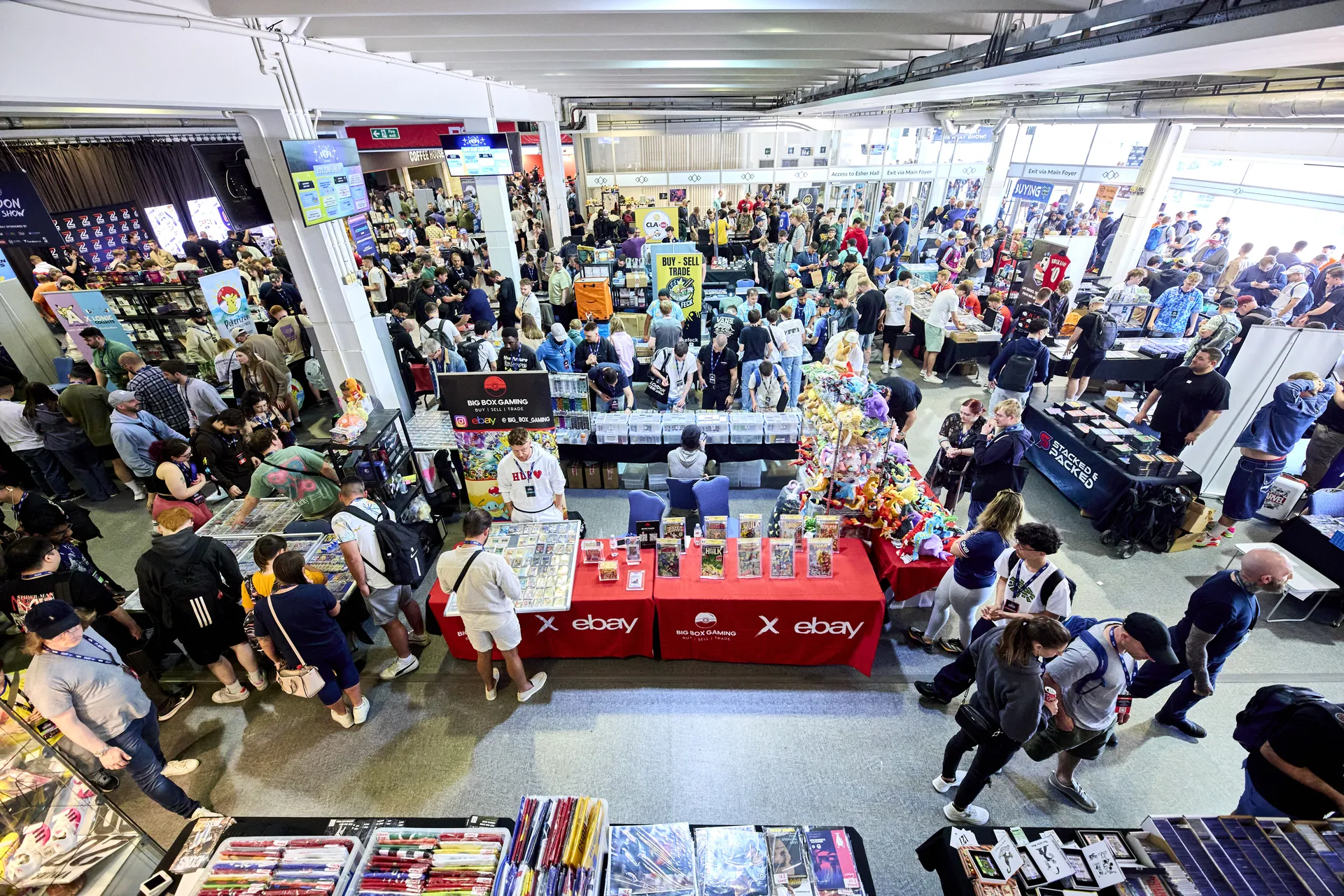
- Why go: The energy is different. Shows are where you can haggle, find rare singles, and meet dealers from out of town. Big shows also have grading submission booths and panel talks.
- What to bring: Cash, a list of wants, and patience. Expect to walk a lot and to see prices that vary wildly between tables.
Online marketplaces
- eBay: The default for singles and a great place to research sold prices. Learn to read completed listings, not just active ones.
- COMC, StockX, Beckett, and others: Each platform has strengths — StockX for price transparency, COMC for consignment, Beckett for community listings. Fees and shipping vary; factor that into your math.
- Facebook groups and marketplace: Good for local deals and trades, but vet sellers carefully.
Livestreams and breaks
- Why they matter: They’re entertainment and discovery. Breaks can introduce you to new products and sellers, and livestreamers often have communities that trade and share info. But remember: streamers are entertainers, not financial advisors.
Digital communities
- Discords, Reddit, and forums: These are where collectors research, trade, and argue about minutiae. You’ll find everything from grading guides to deep dives on obscure parallels. Join a few and see which vibe fits you.
Did you know? Some of the best deals happen off the main platforms — at local shows, in Facebook groups, or through Discord trades. If you only shop on eBay, you’re missing half the hobby.
Where to buy vs. where to learn
- Buy locally if you want to handle cards and build relationships.
- Buy online for convenience and access to rare items.
- Learn in communities — Discords and forums are where the real research happens.
Safety and best practices
- Check seller feedback, ask for clear photos, and use tracked shipping. For local trades, meet in public places and bring a friend if you’re nervous. If a deal seems too good, it probably is.
The hobby lives everywhere. The trick is to use each space for what it’s best at: LCS for relationships and handling cards, shows for discovery and negotiation, online for reach and price checks, and communities for learning and camaraderie.
The Hobby Handbook is a practical guide to understanding card collecting — how it works, why people love it, and how to find your place in it. Whether you’re opening your first pack or returning to the hobby after years away, this series breaks down the core concepts every collector should know, without the hype, pressure, or gatekeeping.