
If you’ve ever stared at a card and wondered what all the tiny text and weird numbers mean, you’re not alone. Cards look simple until you start peeling back the layers — then suddenly you’re neck‑deep in serial numbers, rookie designations, and a dozen ways a manufacturer can make a card “special.” This post gives you the vocabulary you actually need, minus the fluff.
Front and back basics
- Front (face): Player photo, name, team, and usually the set logo. This is the part people show off.
- Back: Stats, bio, card number in the set, and sometimes a short blurb. Older cards often have more interesting back copy; modern backs are mostly data.
Key terms you’ll see everywhere
- Base card: The standard card in a set. If you’re building a set, these are the ones you need most.
- Insert: Special cards that aren’t part of the base set — think themed subsets, short prints, or promo cards. Inserts are usually rarer than base cards.
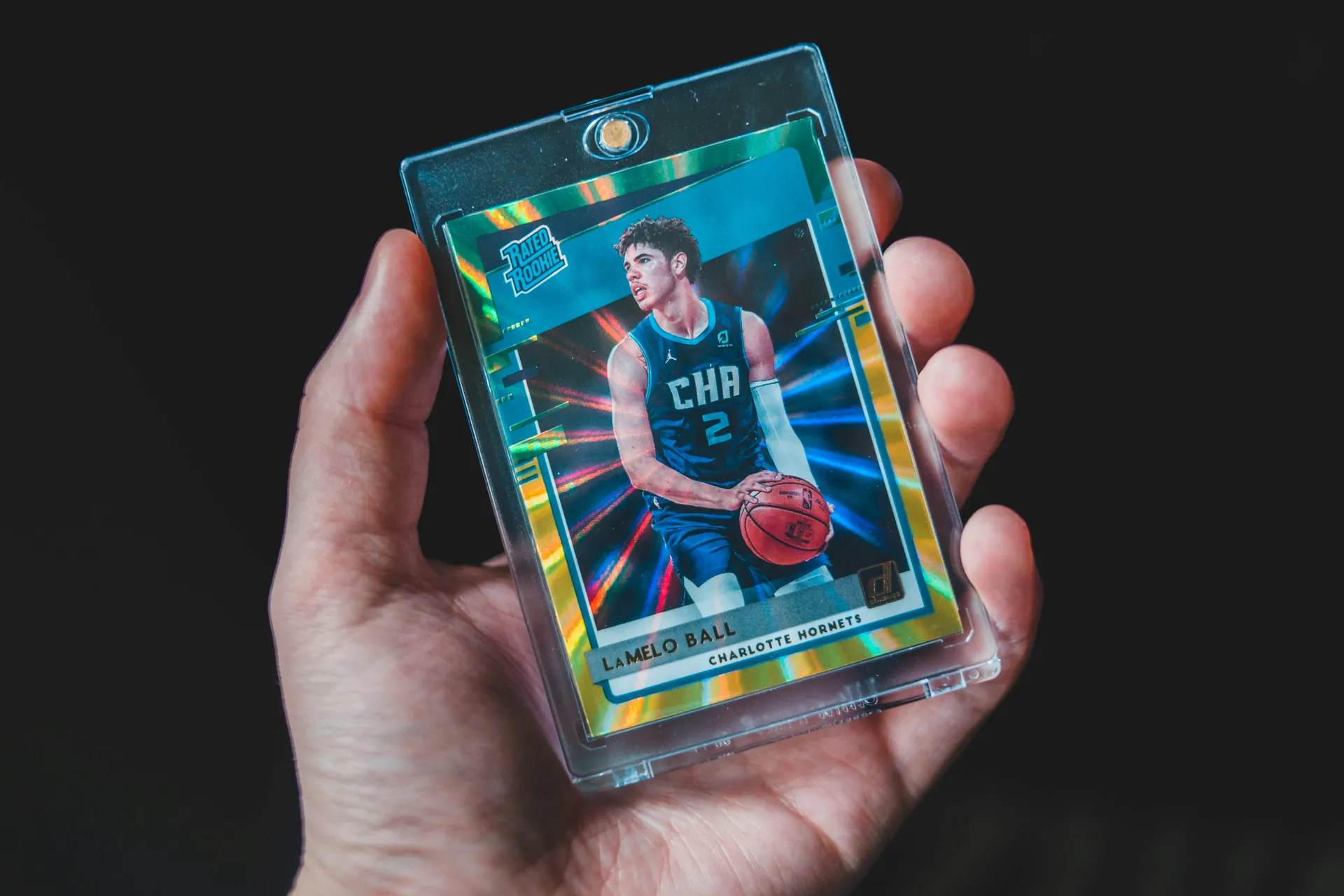
- Parallel: A variant of a base or insert card with a different finish, color, or serial number. Parallels are often the “shiny” versions collectors chase.
- Serial numbering: A printed fraction like 12/99 means that exact card is the 12th of 99 produced. Lower numbers can be more desirable, but context matters.
- Rookie card (RC): The first officially recognized card of a player in a major set. Rookie status is a big deal, but not every “first card” is an RC — check the set’s designation.
- Short print (SP) / Super short print (SSP): Cards intentionally produced in smaller quantities. These are the ones that make people yell at livestreams.
- Auto / Autograph: A card signed by the player. Autographs can be on‑card (the player signed the card itself) or sticker autos (signed on a sticker applied to the card). On‑card is generally preferred.
- Relic / Patch: A card containing a piece of game‑used or event‑used material (jersey, bat, etc.). Patches with team logos or multi‑color swatches are the sexy ones.
Design and finish terms
- Foil / Chrome / Holo: Different finishes that make cards reflect light. These are often used for parallels and inserts.
- Borderless / Die‑cut: Design choices that change how the image sits on the card. Die‑cuts can be cool but are sometimes more fragile.
- Print runs and set codes: Manufacturers sometimes include codes or tiny print runs that only nerds notice. Useful if you like digging.
Why this matters
Knowing the anatomy helps you spot value and avoid dumb mistakes. A rookie card with a serial number and an autograph is not the same as a base rookie. A parallel numbered to 499 is not the same as one numbered to 5. Context is everything.
Insider tip: If a card’s description is vague — “rare rookie auto” — ask for specifics: serial number, on‑card vs sticker, and whether it’s a true RC. Vague listings are often hiding something.
Quick practical checklist when you look at a card
Once you can read a card like this, you’ll stop getting bamboozled by hype and start making smarter buys. You’ll also enjoy the hobby more, because you’ll actually understand what you’re holding.