
If you care about your cards at all — and you should — storage is the boring but crucial part. Bad storage ruins value faster than a bad trade. The good news: protecting cards is cheap and easy if you do it right from day one. Here’s the practical, no‑BS guide.
Basic supplies
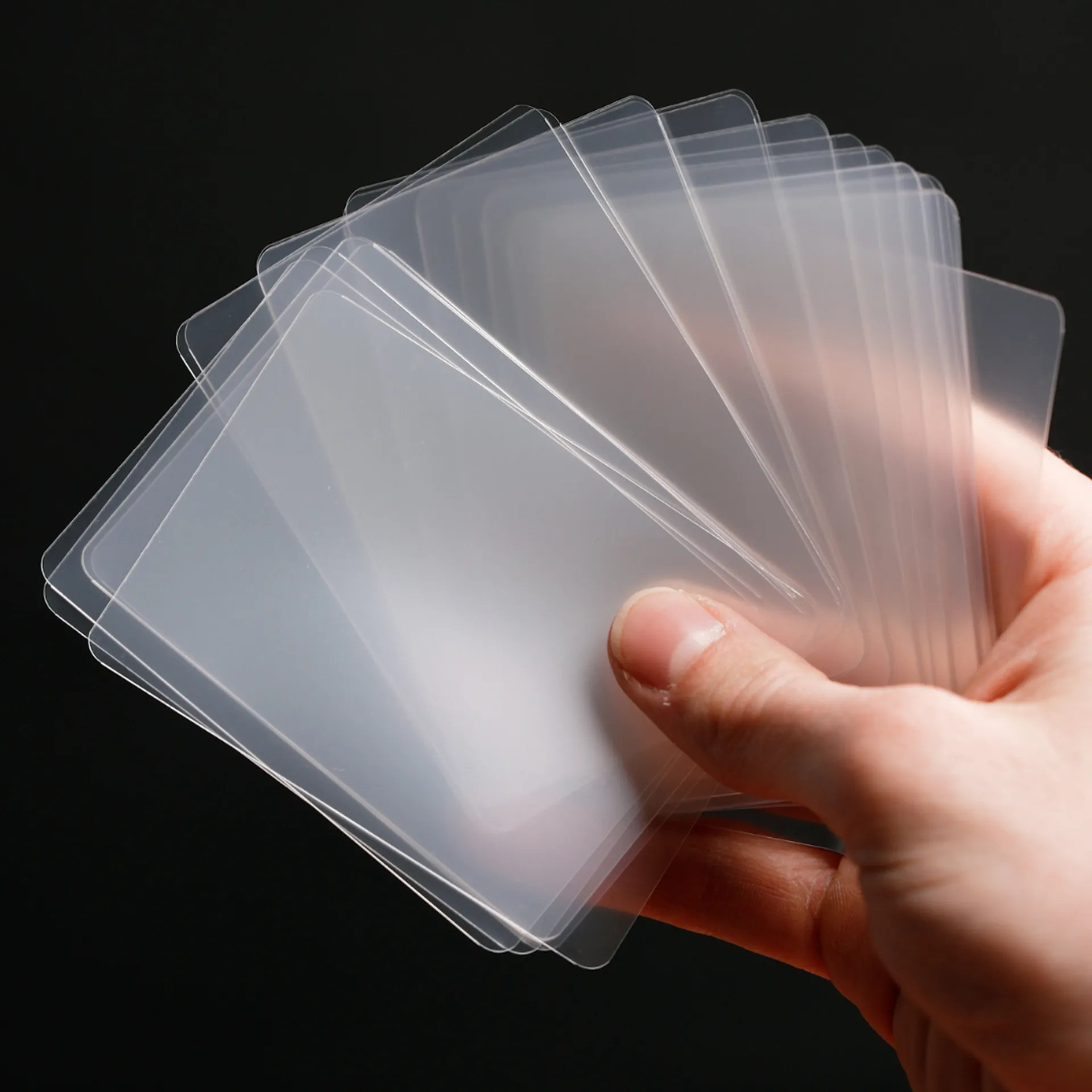
- Penny sleeves: Thin plastic sleeves that protect the card face. Use these first.
- Top loaders: Rigid plastic holders for cards you want to keep safe. Slide a sleeved card into a top loader.
- One‑touch holders: For graded or 1/1 cards you want to display; they’re pricier but look great.
- Binders with sleeves: Good for set builders, but use top loaders for high‑value singles.
- Storage boxes: Cardboard or plastic boxes designed for cards. Keep them upright and dry.
Handling basics
- Wash your hands before handling cards or use nitrile gloves for high‑value pieces. Oils and dirt from fingers are surprisingly destructive.
- Hold cards by the edges. Don’t touch the face.
- Avoid bending, stacking loose cards, or shoving them into pockets.
Environmental factors
- Humidity: High humidity warps cards and encourages mold. Keep cards in a dry place.
- Temperature: Avoid extreme heat. Don’t store cards in attics or cars.
- Light: UV light fades inks. Keep cards out of direct sunlight.
- Pests: Mice and insects don’t care about your rookie autos. Store boxes off the floor if you’re in a risky area.
Long‑term storage
- For long-term value, consider acid‑free boxes and silica gel packs to control moisture.
- Label boxes clearly so you don’t have to dig through everything. Organization saves time and prevents damage.
Travel and shows
- Use a padded case or a hard box when transporting cards. Don’t carry your most valuable cards in a backpack with other stuff.
- At shows, keep cards in top loaders and a secure bag. If you’re selling, bring a small display and a lockable cash box.
Insider tip: For cards you plan to grade, don’t over‑handle them. Sleeve them immediately and keep them in a top loader until submission. Scratches from handling are the fastest way to lose a potential 9–10.
Common mistakes
- Tossing cards in a shoebox. This is the classic rookie move. It’s cheap, lazy, and destructive.
- Using cheap, non‑archival sleeves for long‑term storage. Spend a few extra bucks — it pays off.
- Storing in basements or attics. Climate control matters.
Protecting cards is not glamorous, but it’s the single best way to preserve value and enjoyment. A little care now saves a lot of regret later. Keep them sleeved, keep them dry, and treat your collection like something you want to still love in ten years.
The Hobby Handbook is a practical guide to understanding card collecting — how it works, why people love it, and how to find your place in it. Whether you’re opening your first pack or returning to the hobby after years away, this series breaks down the core concepts every collector should know, without the hype, pressure, or gatekeeping.