
Grading is the hobby’s version of quality control — and also its favorite way to make things feel official. But grading isn’t magic. It’s a tool with costs, benefits, and a few annoying caveats. Same goes for population reports and buybacks. Here’s how they actually work, explained like I’m leaning on a table with a coffee and a stack of cards.
What grading does
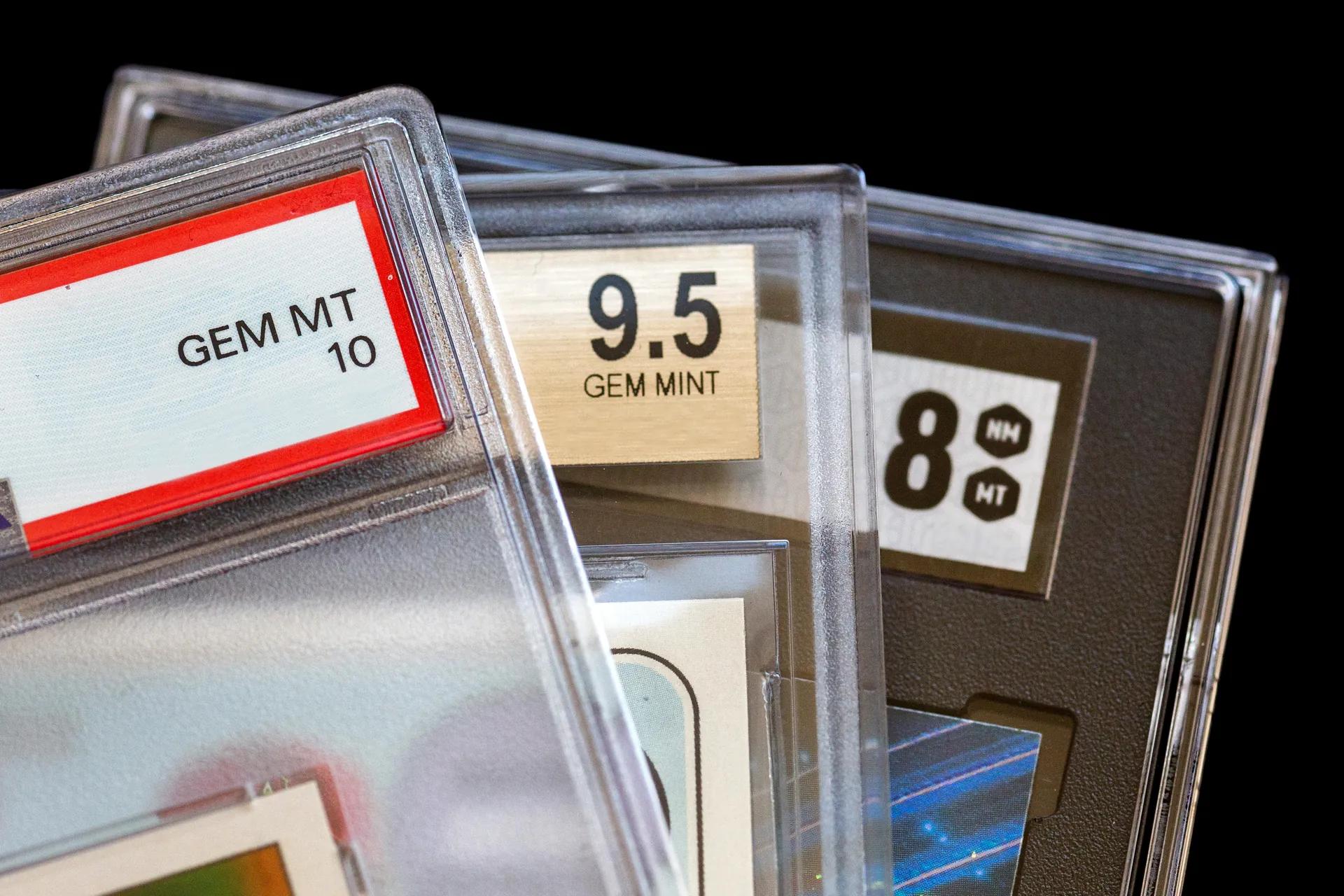
- Grading companies (PSA, BGS, SGC) evaluate a card’s condition and assign a grade (PSA 10, BGS 9.5, etc.). A high grade can increase a card’s marketability and sometimes its price.
- Grading gives buyers confidence. If you’re selling to serious collectors, a graded card removes a lot of the “is it really mint?” doubt.
Costs and tradeoffs
- Grading costs money and time. Submission fees, shipping, and potential return shipping add up. If you’re grading a $20 card, the math often doesn’t make sense.
- Grading can reveal flaws. A card you thought was a 9 might come back a 7. That’s a gut punch and a financial hit.
- Not every card benefits from grading. Grade cards that are likely to get a premium (high‑value rookies, potential 9–10 candidates, or cards you plan to sell to serious buyers).
Population reports (pop reports)
- Pop reports show how many of a card exist at each grade. They’re useful for gauging scarcity at the graded level.
- A card with few PSA 10s and many PSA 9s might command a premium for the 10s. But pop reports can be misleading: they don’t show ungraded cards, and manufacturers sometimes flood the market with new parallels that change the landscape.
- Use pop reports as one data point, not gospel.
Buybacks and manufacturer influence
- Buybacks are cards that manufacturers or brands reissue or “buy back” into packs. They can create artificial scarcity or confusion.
- Manufacturers sometimes include redemptions (promises to deliver a card later). Redemptions can be fulfilled, delayed, or, in rare cases, never honored. That’s a risk.
- The hobby’s supply chain matters. When a brand limits production or creates exclusive parallels, it can spike demand — but it can also create short‑term bubbles.
Did you know? Some collectors prefer raw (ungraded) cards because they avoid grading fees and can be sold faster to casual buyers. Grading is for certainty, not always for profit.
When to grade
- Grade cards that are high value, likely to get a top grade, or that you want to sell to serious collectors.
- Don’t grade everything. Be selective. If you’re unsure, ask a trusted dealer or check recent sales of graded vs. raw versions.
Practical checklist
Grading, pop reports, and buybacks are tools. Use them intentionally, not because someone on a livestream said “send everything to PSA.” The right call depends on the card, your goals, and your tolerance for risk.
The Hobby Handbook is a practical guide to understanding card collecting — how it works, why people love it, and how to find your place in it. Whether you’re opening your first pack or returning to the hobby after years away, this series breaks down the core concepts every collector should know, without the hype, pressure, or gatekeeping.